
First Federal Pilot License Issued as Orville Wright Declines the Honor

First Federal Pilot License Issued as Orville Wright Declines the Honor
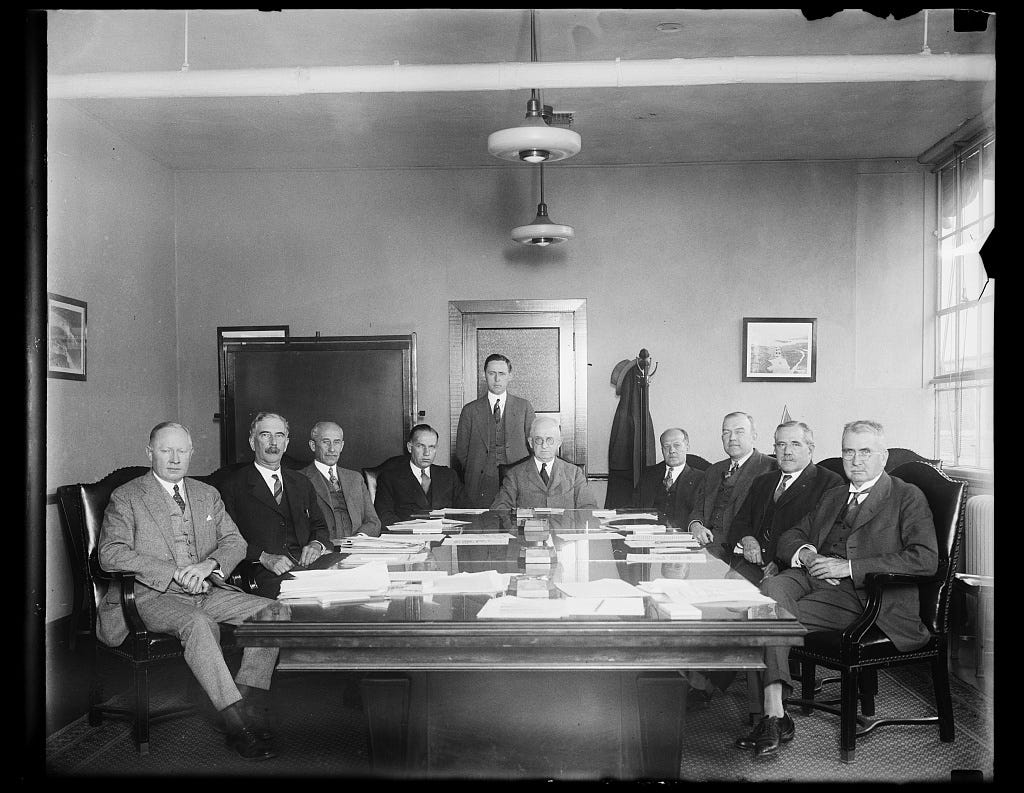
In a moment that neatly captures the passing of the torch in American aviation, the very first pilot license issued by the United States government was handed out today — and the man who invented the airplane turned it down.
William P. MacCracken Jr., the Assistant Secretary of Commerce for Aeronautics, received Pilot License No. 1, a private license signed by Secretary of Commerce Herbert Hoover.
But MacCracken was not the first choice. Before accepting the honor himself, he had offered it to Orville Wright, promising to waive both the fee and the examination. Wright politely declined, reasoning that he no longer flew and did not believe he needed a piece of paper to prove he had been the first man to fly.
The licensing program marks a major step in bringing order to American skies. Until now, anyone with an airplane and enough nerve could take to the air with no training, no medical check, and no government oversight.
The new system, established under the Air Commerce Act of 1926, requires pilots to demonstrate competency and pass a physical examination before they are cleared to fly.
Source: Federal Aviation Administration historical records; Air Commerce Act of 1926
Why It Mattered
This was the birth of aviation regulation in America. The licensing system established the framework that would eventually become the FAA, transforming flying from a daredevil pursuit into a regulated mode of transportation that today carries billions of passengers safely each year.
Then vs Now
In 1927, getting a pilot license was a novelty — there were only a few thousand pilots in the country. Today, the FAA oversees more than 700,000 active pilot certificates, and commercial aviation is statistically the safest form of travel ever devised.
🎂 Born On This Day
Gerry Mulligan — American jazz saxophonist and arranger, a leading figure of the cool jazz movement, born April 6, 1927.