
Sacco and Vanzetti Sentenced to Death: A Nation Holds Its Breath
April 9, 1927

Sacco and Vanzetti Sentenced to Death: A Nation Holds Its Breath
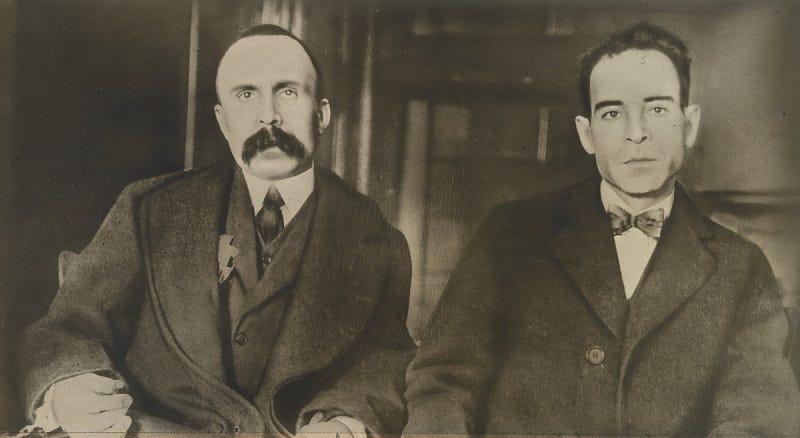
Today, in a verdict that has reverberated across the globe, Judge Webster Thayer unequivocally sentenced Nicola Sacco and Bartolomeo Vanzetti to death. The long-running, deeply divisive trial, which saw the Italian immigrant anarchists convicted of the 1920 Braintree payroll robbery and murder, reached its grim conclusion amidst fervent protests and international outcry.
From Boston to Paris, and beyond, supporters have championed Sacco, a shoe-factory worker, and Vanzetti, a fish peddler, as victims of a system prejudiced against their immigrant status and radical political beliefs.
The prosecution, however, has maintained their guilt, pointing to eyewitness testimonies and ballistics evidence. Judge Thayer’s decision, delivered with a stern resolve, now ignites a new wave of appeals and demonstrations, solidifying this case’s place as one of the most contentious legal battles of our time.
The question remains: was justice served today, or has a grave error been made that will haunt Massachusetts for generations?
Source: Original reporting on the Sacco and Vanzetti trial, April 9, 1927
Why It Mattered
This case became a global symbol of social injustice, fueled by fears of radicalism and anti-immigrant sentiment, raising profound questions about the fairness of the American legal system.
Then vs Now
The Sacco and Vanzetti trial starkly highlights how political fear and xenophobia can influence legal outcomes, a cautionary tale that unfortunately still resonates in discussions about justice and bias today.