
The U.S. Bureau of Prohibition Opens Its Doors to Enforce the Dry Law

The U.S. Bureau of Prohibition Opens Its Doors to Enforce the Dry Law
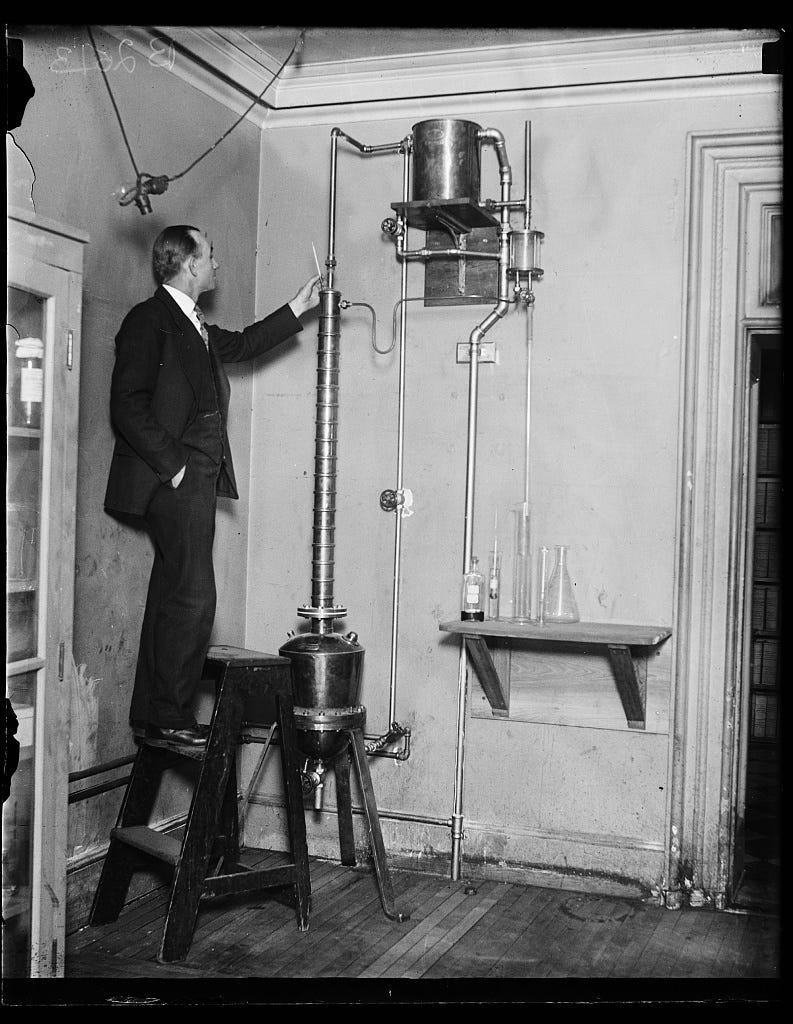
The United States Bureau of Prohibition was officially established on April 1, 1927, taking over enforcement of the National Prohibition Act (the Volstead Act) from the Treasury Department’s Bureau of Internal Revenue.
The new bureau, housed under the Treasury Department, was tasked with combating the illegal production, sale, and distribution of alcohol across the country. Its creation came amid growing frustration that Prohibition was proving nearly impossible to enforce, with bootlegging operations flourishing from coast to coast.
Why It Mattered
Despite this bureaucratic reorganization, Prohibition remained widely flouted. The Bureau’s struggles would become a key argument for repeal, which came just six years later with the 21st Amendment in 1933.
Then vs Now
In 1927, the federal government was spending millions trying to stop Americans from drinking. Today, the U.S. alcohol industry generates over $250 billion annually in legal sales.
Source: The New York Times, April 1, 1927